

Few hobbies combine American history, road-trip nostalgia, and the thrill of the hunt quite like collecting vintage license plates. Whether you stumbled across a weathered plate at a flea market or inherited a handful from a relative, building a complete 50-state set is one of the most rewarding goals a collector can pursue. Here's how to get started the right way.
Why Collect License Plates?
License plates are miniature time capsules. Each one reflects the design sensibilities, state pride, and even the political climate of its era. A 1950s California plate looks nothing like a 1970s California plate — and that's exactly what makes the hobby so compelling. Plates are also relatively affordable to start, easy to display, and endlessly varied.
Step 1: Define Your Focus
A true 50-state collection is a long-term project, so it helps to narrow your focus early. Consider these popular approaches:
- One plate per state, any year: The most accessible starting point. Pick up one representative plate from each of the 50 states.
- One specific year across all 50 states: Challenging and highly prized. Collectors often target a birth year or a historically significant year.
- Year of Manufacture (YOM) plates: Plates that can be legally registered on a vehicle matching their year — a favorite among vintage car enthusiasts.
- Graphic or specialty plates: Many states issue stunning wildlife, landmark, or commemorative designs worth collecting on their own.
Step 2: Learn the Grading Scale
Condition matters — both for display quality and resale value. The hobby uses a rough grading system:
- Mint / Near Mint: No fading, no rust, no holes. Often unissued or lightly used.
- Excellent: Minor wear, full color, no significant damage.
- Very Good: Noticeable wear or light fading, but colors remain strong and the plate displays well.
- Good: Visible fading or light rust, but fully legible and displayable.
- Fair / Poor: Heavy rust, bent, or paint loss. Useful as fillers while you search for upgrades.
We also apply a plus (+) or minus (−) modifier within the Excellent, Very Good, and Good grades to give you a more precise picture of condition — so an Excellent− plate has slightly more wear than a straight Excellent, while a Good+ is notably cleaner than a standard Good.
For a display-quality collection, aim for Very Good or better. For a YOM plate you plan to register, check your state's DMV requirements — many require the plate to be fully legible.
Step 3: Know Where to Find Plates
The hunt is half the fun. Here are the best sourcing channels:
- Antique stores and flea markets: Great for serendipitous finds, often underpriced.
- Online marketplaces: eBay, Etsy, and specialty dealers offer enormous selection. Search by state, year, and condition.
- Swap meets and plate shows: The Automobile License Plate Collectors Association (ALPCA) hosts events where serious collectors trade and sell.
- Estate sales: Garages and barns are goldmines. Families often don't realize what they have.
- Curated dealers: Specialty shops like Brandywine General Store offer hand-selected vintage plates with verified provenance — ideal when you need a specific state or year without the guesswork.
Step 4: Store and Display Your Collection
Plates are meant to be seen. Popular display options include:
- Pegboard or slatwall panels in a garage or man cave
- Framed shadow boxes for premium display pieces
- Chronological or geographic arrangements on a dedicated wall
Store extras flat in a cool, dry location. Avoid stacking heavy plates directly on top of each other — use cardboard or foam separators to prevent scratching.
Step 5: Connect with the Community
The license plate collecting community is welcoming and knowledgeable. Join ALPCA, browse collector forums, and follow social media groups dedicated to the hobby. Fellow collectors are your best resource for tracking down elusive states and getting fair pricing guidance.
Ready to Start Your Collection?
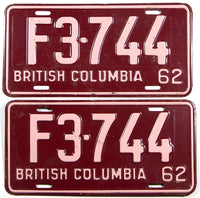
Browse our curated selection of vintage DMV license plates — sourced from across all 50 states and graded for display quality. Whether you're filling a gap in your set or starting from scratch, we're here to help you find exactly what you're looking for.




Comments